
What Is an Order Management System?
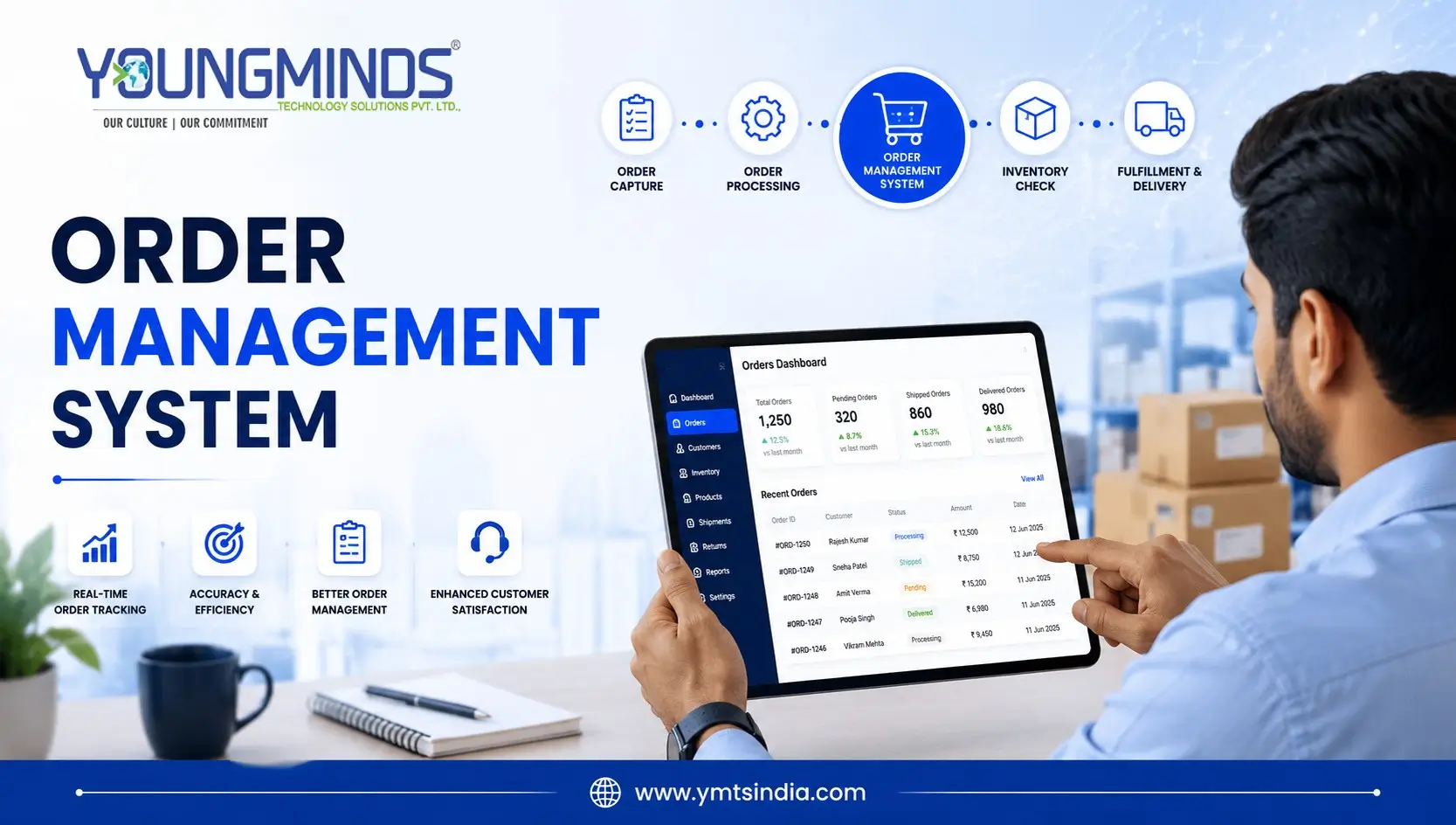
An Order Management System (OMS) is a software solution that helps businesses manage customer orders from the moment an order is placed until it is delivered. It automates the complete order lifecycle, including order processing, inventory tracking, payment management, shipping, and delivery updates. By centralizing these activities, businesses can reduce manual work, minimize errors and improve customer satisfaction.
Whether you run an eCommerce store, a retail business, a wholesale company, or a manufacturing unit, an Order Management System ensures that every order is processed efficiently. Instead of using multiple tools to manage inventory, shipping, and customer information, an OMS brings everything together in one platform.
Choosing the Best Order Management System depends on your business requirements. A reliable OMS should offer real-time inventory updates, order tracking, multiple payment integrations, shipping management, customer notifications, and detailed reporting. These features help businesses improve operational efficiency while delivering a better customer experience.
How an Order Management System Works
An Order Management System for Small Businesses simplifies the entire order fulfillment process by automating each stage of the customer journey. From receiving an order to delivering it to the customer, every step is tracked and managed through a centralized system.
The process begins when a customer places an order through a website, mobile app, or retail store. The system immediately checks product availability in the inventory. If the requested product is in stock, the inventory is automatically updated by reducing the available quantity. This real-time inventory management prevents overselling and keeps stock levels accurate.
Once inventory is confirmed, the order is forwarded to the warehouse or packing department. Staff receive the order details, prepare the package, verify the products, and generate shipping labels. The OMS then coordinates with delivery partners to dispatch the order quickly and efficiently.
During the shipping process, the system continuously updates the order status. Customers receive automatic notifications through email or SMS when their order is confirmed, packed, shipped, out for delivery, and finally delivered. These real-time updates improve transparency and build customer trust by keeping buyers informed throughout the entire process.
An Order Management System for Small Businesses also helps business owners manage returns, refunds, and exchanges more efficiently. Instead of manually tracking every order, the software maintains complete order records, making customer support faster and more organized.
Additionally, the system generates valuable reports on sales performance, inventory levels, order trends, and customer purchasing behavior. These insights help businesses make informed decisions, optimize inventory, and improve future sales strategies.
Overall, an Order Management System reduces manual effort, minimizes order processing errors, prevents stock shortages, and improves operational efficiency. By automating routine tasks, businesses can focus on growth, customer satisfaction, and expanding their operations while ensuring that every order is delivered accurately and on time.